The Return of Windows Movie Maker 6.0: A Nostalgic Journey
Ever since Microsoft discontinued Windows Movie Maker back in 2017, users like me have been left searching for alternatives among heavyweight professional platforms such as DaVinci Resolve, or cloud-dependent solutions like Filmora and Adobe Premiere.
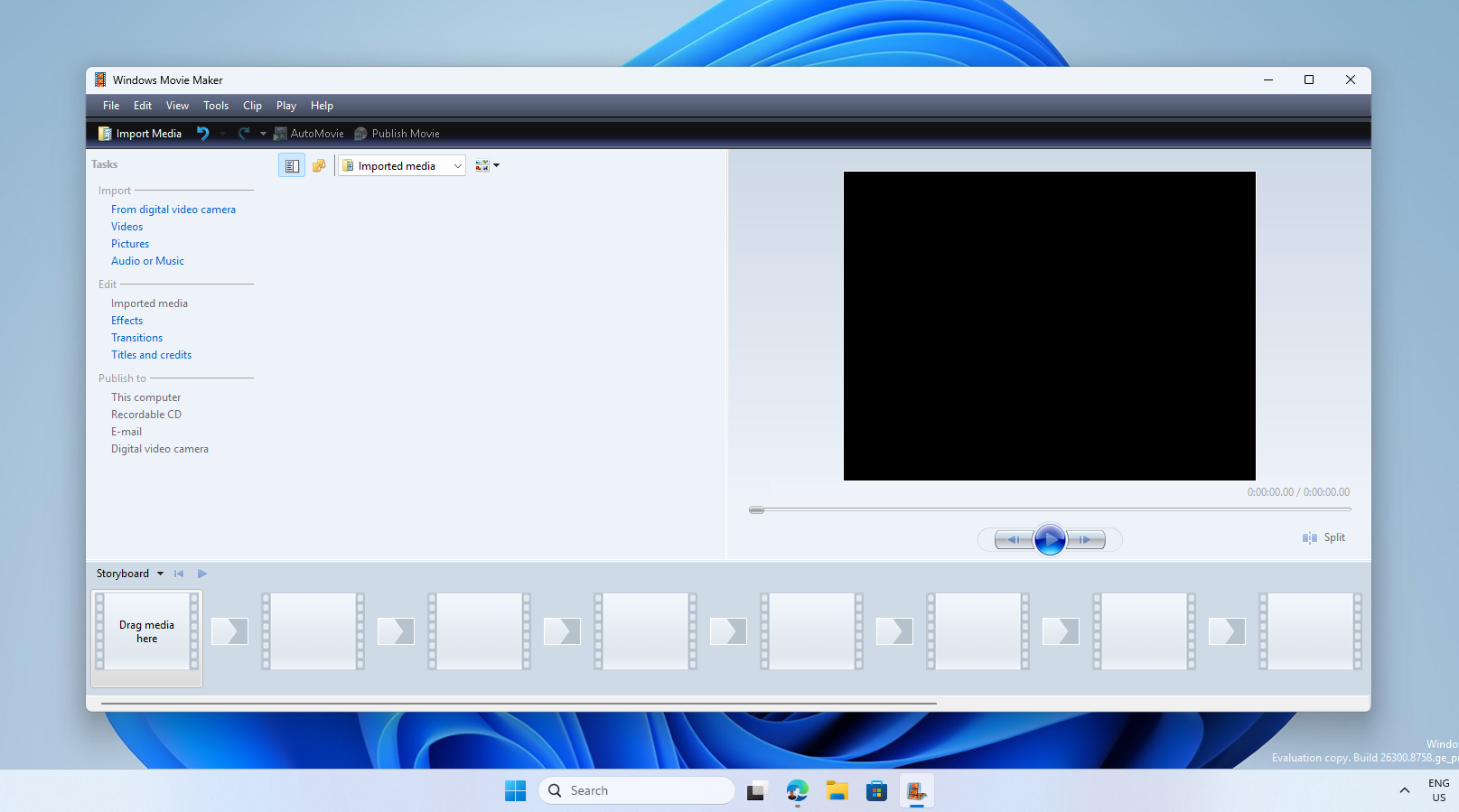
Fortunately, Windows Movie Maker 6.0 has resurfaced, thanks to the efforts of @skylerdagirl on Twitter. This rediscovery offers a lightweight editing option for quick edits and transitions, without the complexity of flagship production software or the dependency on cloud-enabled platforms.
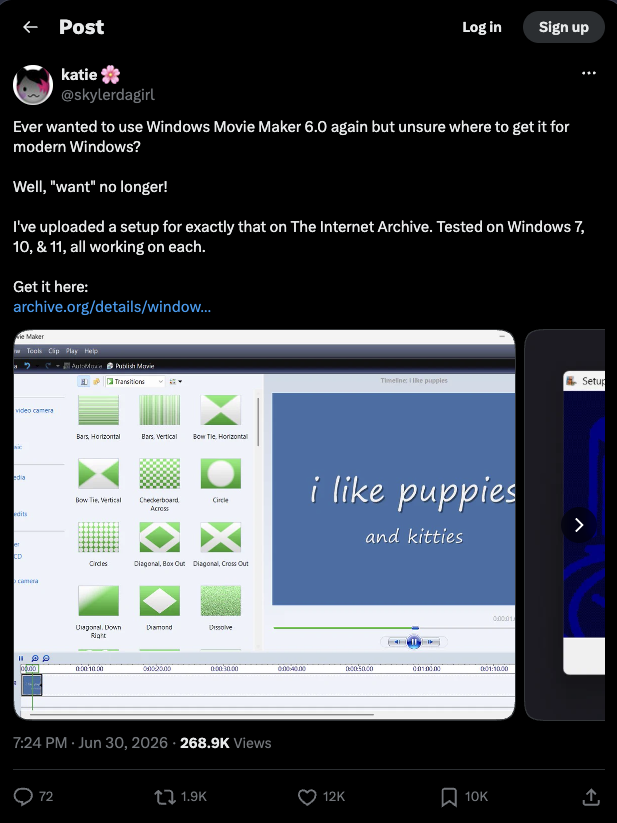
I never imagined spending part of my afternoon in 2026 downloading Windows Movie Maker 6.0. However, I couldn’t ignore the modder’s commendable effort to preserve a piece of Windows history.
A Trip Down Memory Lane
For those who remember MTV’s TRL, you might also recall the iconic Movie Maker software. Far from being just an in-box utility, it was a rite of passage for aspiring amateur videographers. Much like Paint, Movie Maker symbolized a certain pride among Windows users. A generation of creatives honed their editing skills using its basic features, including white fonts on blue title cards, crossfade transitions, and simple timeline manipulation—all bundled for free with Windows.
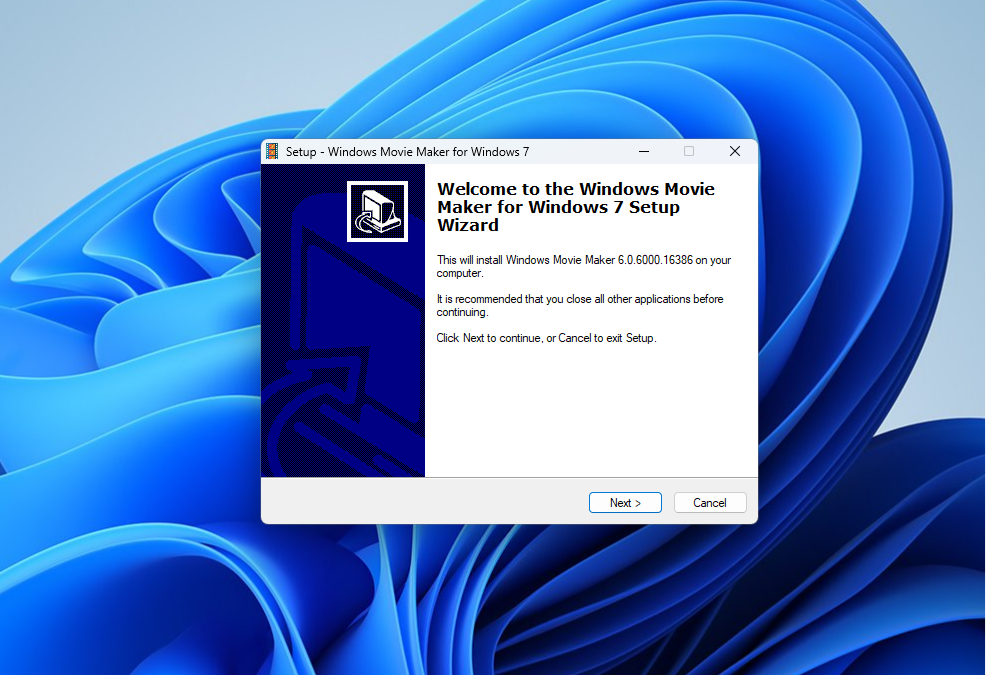
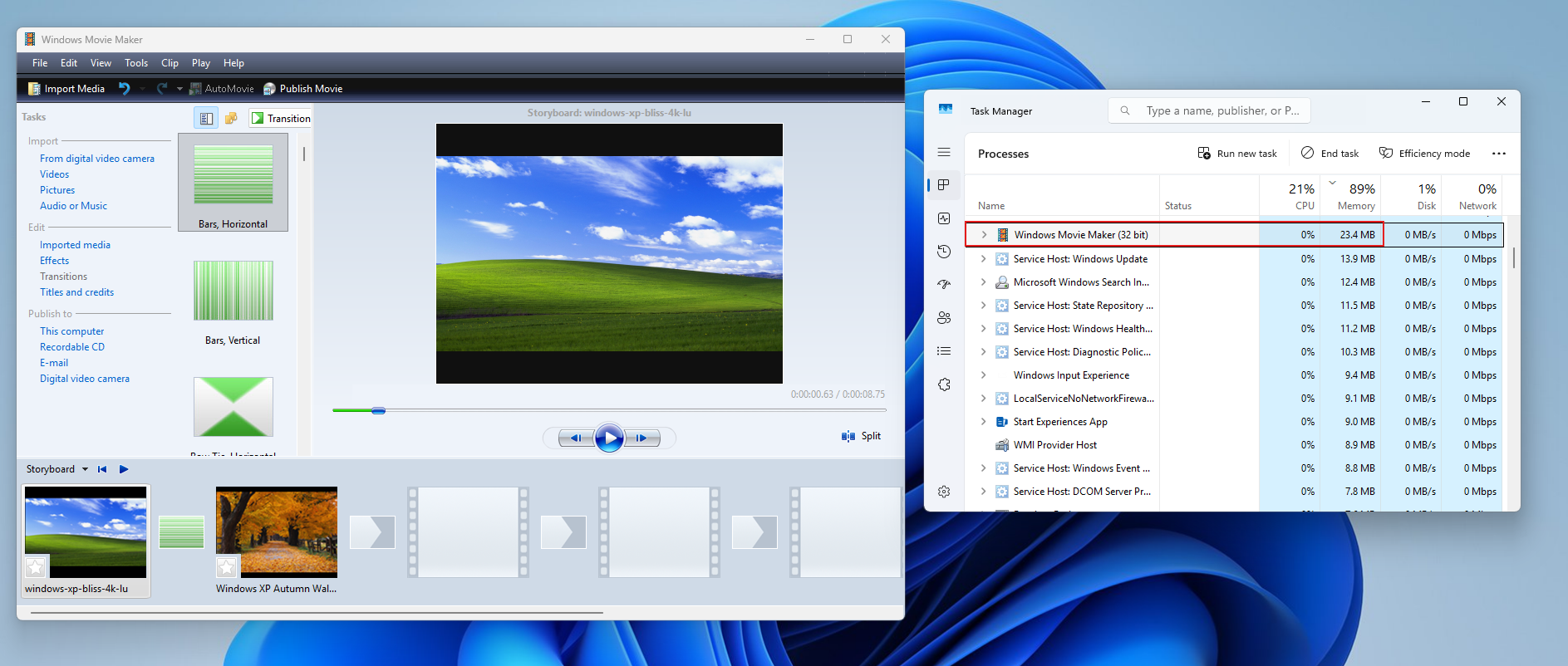
The installation process for Windows Movie Maker 6.0 was refreshingly simple. In a world where modern apps demand sign-ins, account validations, or credit card details, this lightweight 8.8MB installer stood out. A quick double-click, and I was up and running in under two minutes, with no strings attached.
Without any tutorials, it was intuitive to drop in clips, add transitions, and get creative with title cards. The experience instantly transported me back to a time when software was straightforward and user-friendly.
Modern Windows vs. Nostalgic Simplicity
The revival of Movie Maker 6.0 highlights the growing gap in modern Windows experiences, where native functionalities are increasingly offloaded to third-party platforms. In contrast, Movie Maker delivers a self-contained, lightweight experience that modern tools often lack.
Microsoft’s Move from Movie Maker to Clipchamp
When Microsoft discontinued Movie Maker, it initially left a significant gap in its suite of in-box applications. For years, I found myself juggling between Adobe licenses, open-source solutions, and even switching to macOS for iMovie or Final Cut.
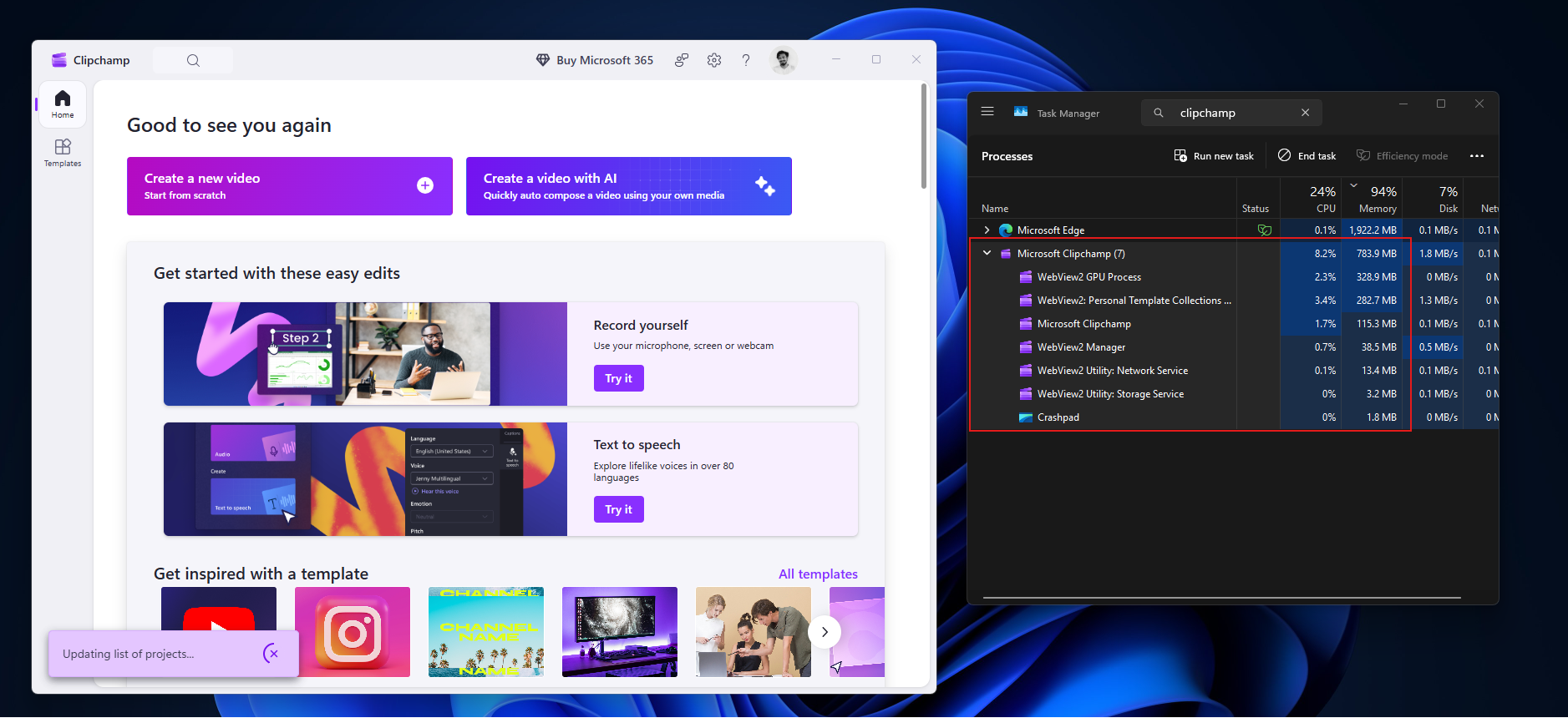
Eventually, Microsoft introduced Clipchamp as its replacement for casual video editing. While Clipchamp initially offered a lightweight and basic editing experience, the addition of features—and its dependency on OneDrive cloud storage—gradually transformed it into a less appealing option. For me, Clipchamp ceased to be a lightweight and free solution the moment it became inextricably tied to the cloud.
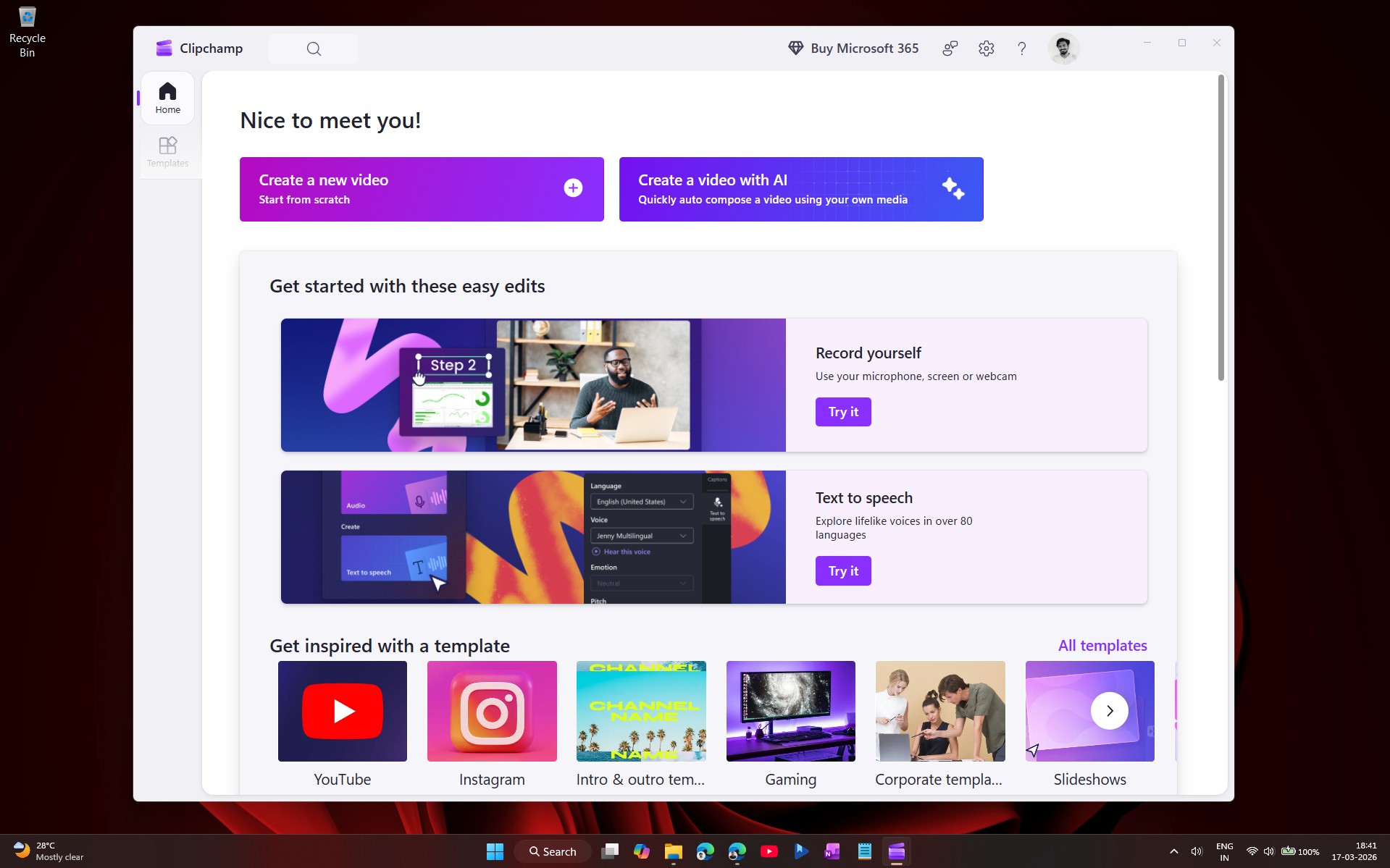
This shift has alienated many Windows users who prefer a video editor that supports local files, local saves, and doesn’t require an account or internet connectivity.
Thankfully, Movie Maker 6.0 provides a lightweight, fast, and self-contained alternative. The small file size ensures a near-instant download, and the modder’s decision to preserve this installer ensures its continued accessibility, even if original links disappear.
iMovie vs. Movie Maker
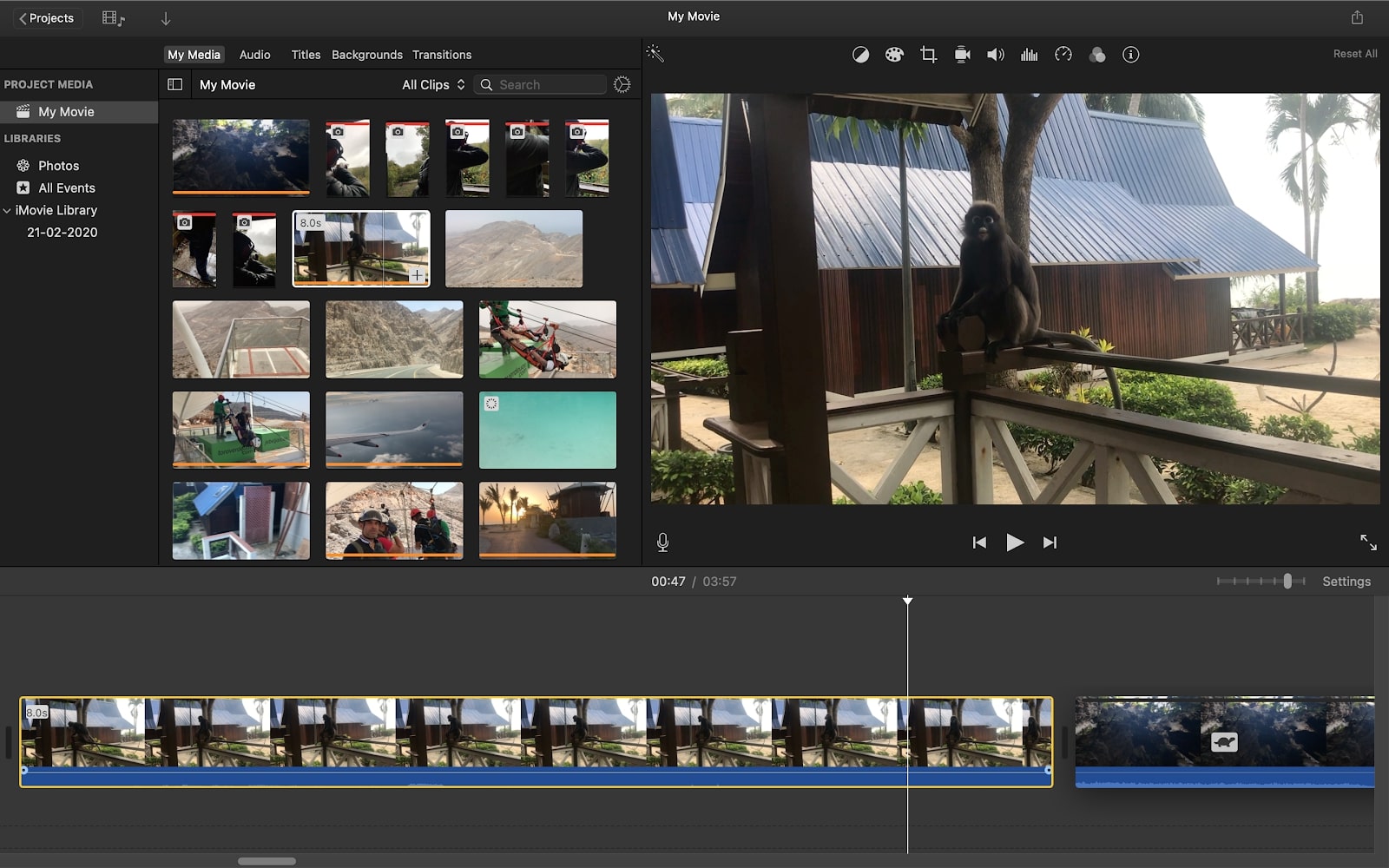
While this may seem like nostalgia-driven enthusiasm for a niche audience, it’s worth noting that millions of people still use iMovie for similar experiences. Both iMovie and Movie Maker were designed with ease of use in mind, offering ecosystem convenience for offline video editing with minimal fuss.
Over the years, Apple has successfully evolved iMovie by adding features, improving performance, and modernizing its interface without losing its core simplicity. In contrast, Microsoft abandoned Movie Maker in favor of Windows Live Movie Maker and later Clipchamp, which feels more like an add-on than a native experience.
While Clipchamp offers modern features, it lacks the seamless integration and offline-first approach that made Movie Maker and iMovie so beloved. The reliance on cloud services and account creation further distances it from the simplicity many users value.
Final Thoughts
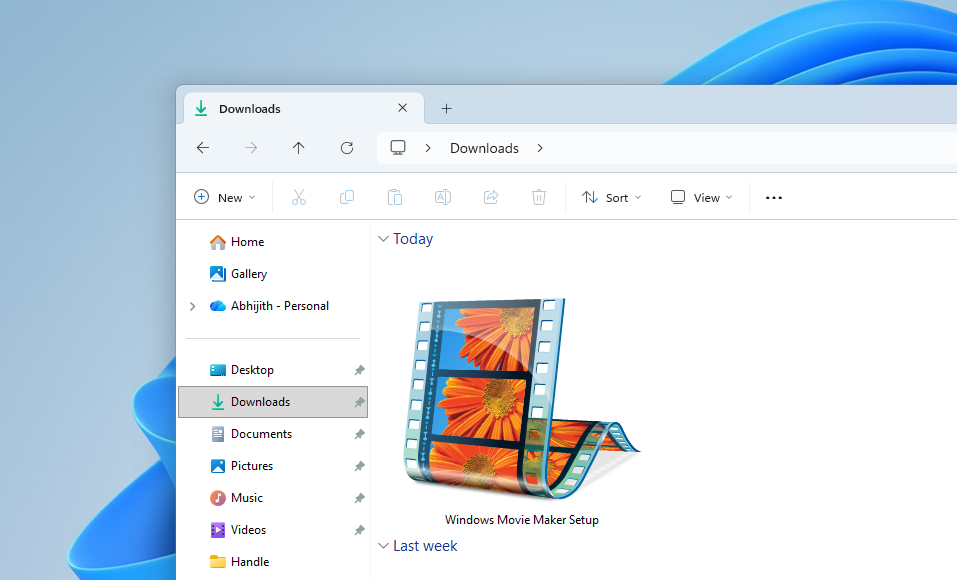
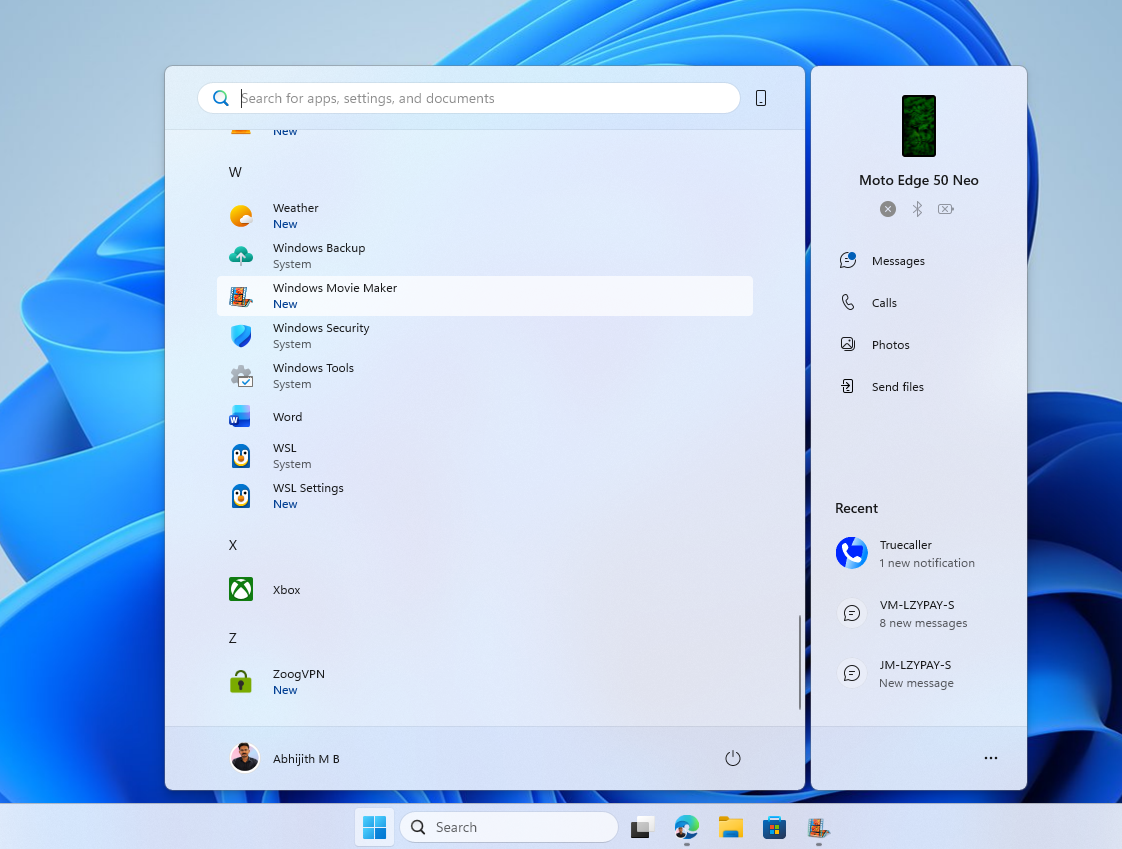
Once I saw the Movie Maker 6.0 icon on my desktop, it was just a double-click to open the setup wizard, followed by a brief progress bar. Within seconds, I was ready to relive the retro editing experience.
With its familiar timeline, basic media inputs, and 49 built-in transitions, Movie Maker remains a testament to the power of simple, purpose-driven software. It reminded me of a time when applications did one or two things exceptionally well, without requiring subscriptions, cloud integration, or unnecessary complexity.
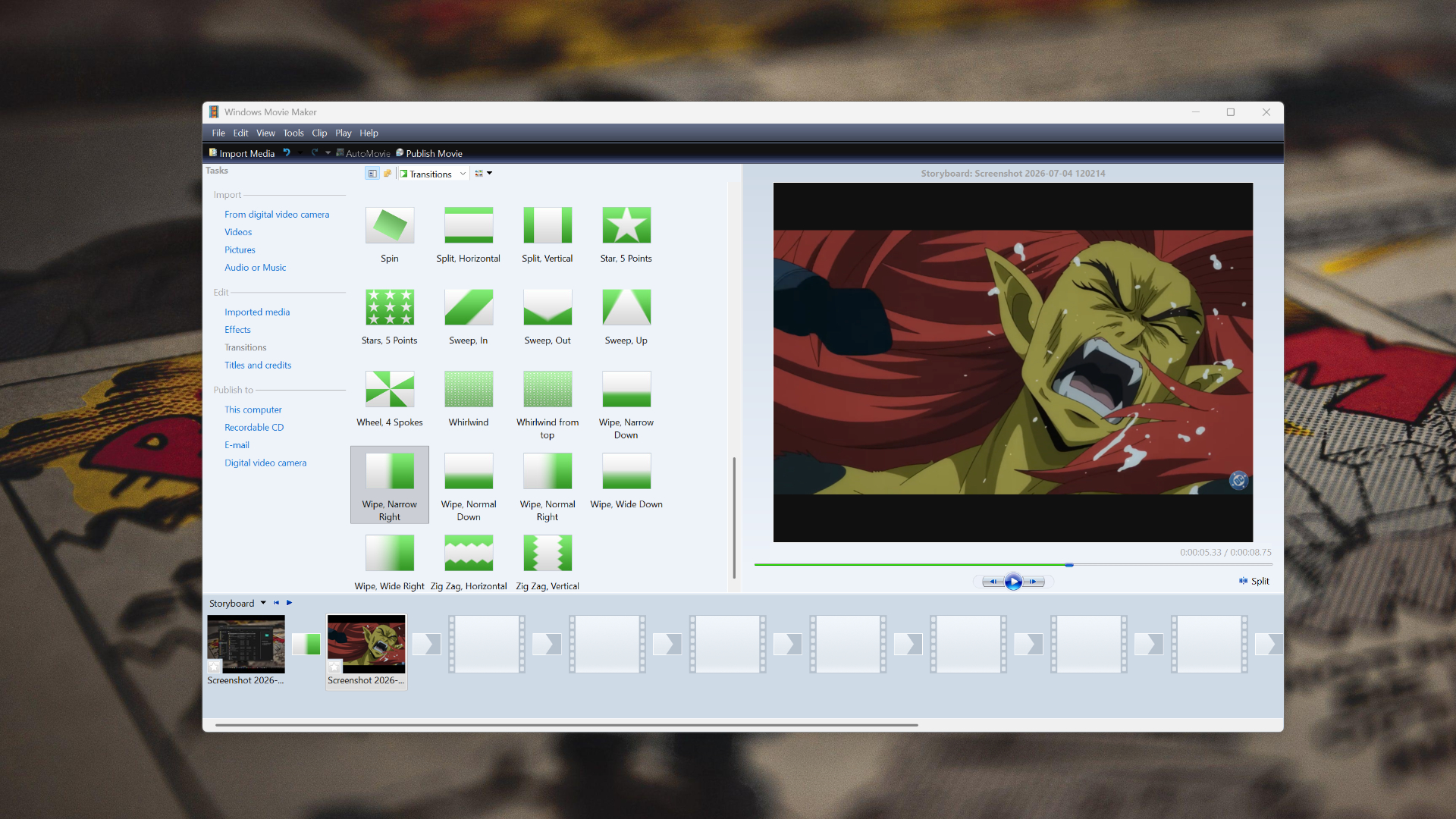
In an era dominated by SaaS and cloud-based tools, the return of Windows Movie Maker 6.0 serves as a nostalgic yet functional alternative for video editing enthusiasts.
Windows Latest depends on readers like you. Make us your preferred source on Google Discover and Google Search, and help our independent reporting reach more people.